Hormones are chemical messengers that control various key processes, such as metabolism, growth, reproduction, sleep, and mood. Even minor hormonal fluctuations can influence the functioning of the body. Constant fatigue, unexplainable weight gain or loss, irregular cycles, and sleep disorders can occasionally be a sign of a hormonal imbalance.
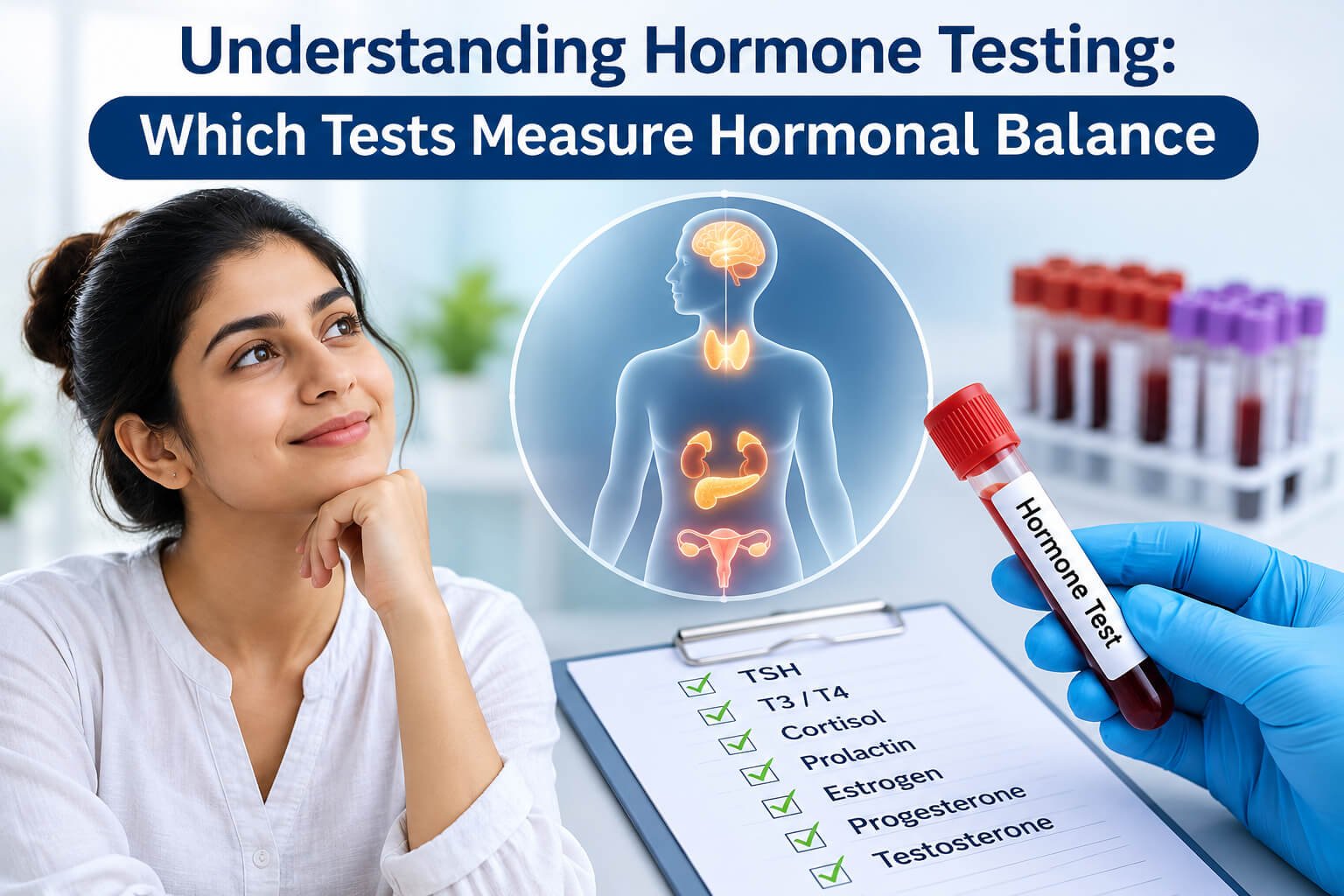
Hormone testing assists in detecting these changes by conducting a particular blood, urine, or saliva test. Including relevant tests in a full body test in delhi can provide useful health information and help doctors investigate symptoms that may have hormonal causes.
Hormone testing is used to determine the amount of certain hormones that are produced by glands in the body. These include the thyroid, adrenal glands, pituitary gland, pancreas, and reproductive organs.
Hormone tests are prescribed by doctors depending on the symptoms, age, medical history, and suspected conditions. There are hormones that vary during the day or during the menstrual period. Thus, preparation and testing time may affect the results.
A hormone test does not necessarily entail the examination of all hormones. Medical practitioners choose studies based on personal needs.
Various tests assess various hormonal functions. Knowing their purpose can assist you in talking to your doctor about proper investigations.
Thyroid hormones control metabolism, body temperature, energy levels, and many other functions.
Typical thyroid tests are:
These tests are used by doctors to examine conditions like hypothyroidism and hyperthyroidism.
Reproductive hormones affect sexual development, menstrual cycles and fertility.
Common tests include:
Physicians can prescribe such tests in cases of irregular periods, fertility issues, or menopause-related symptoms.
The adrenal glands produce cortisol, which assists in regulating the body in response to stress. It also affects blood pressure, metabolism, and inflammation.
When examining suspected adrenal gland disorders, doctors might order blood, saliva, or urine cortisol tests. The timing of collection is important as cortisol levels vary across the day.
Insulin assists in controlling blood sugar by enabling cells to utilize sugar to generate energy. When examining metabolic health, doctors can examine fasting insulin, fasting blood glucose, and HbA1c.
These tests may be used to diagnose insulin resistance, prediabetes, or diabetes. Nevertheless, both tests give varying information and must be used in conjunction with clinical results.
The symptoms may be caused by hormonal changes and influence various areas of life. Common signs include:
Nutritional deficiencies, stress, infections, or other medical conditions can also cause these symptoms. A physician can decide whether or not hormone testing is required.
Hormone testing can be useful in individuals with chronic symptoms or in those who are treating conditions that impact endocrine activity. Those who have thyroid conditions, fertility issues, menstrual disorders, or have adrenal issues that are suspected may need special tests.
Hormonal assessment can also be required in individuals who experience unexplained metabolic changes. If you are planning a full body test delhi, discuss your symptoms and medical history with your healthcare provider to identify suitable tests.
The preparation varies with the hormone under measurement. Certain blood tests involve fasting, whereas others do not.
Precautions before testing:
Never stop prescribed medication without medical advice.
Diagnosing hormonal disorders can assist physicians to explore underlying health problems and prescribe the right medication. Early assessment can also help to avoid symptoms being ignored or mistakenly related to lifestyle changes.
If you are considering a full body test delhi ncr, ask whether your symptoms require additional hormone investigations. A medical worker will be able to prescribe appropriate tests and interpret your results.
Hormone testing is a good source of information regarding thyroid functioning, reproductive health, adrenal activity, and metabolism. Nevertheless, the correct investigations are based on personal symptoms and medical needs.
Talk to your doctor about ongoing energy, weight, sleep, or reproductive health changes. A well-thought-out testing plan may assist in determining possible hormonal issues and contribute to improved long-term health.