Lipid profile is a routine blood test that gives valuable information regarding the fats in your blood. Most individuals relate the test to cholesterol alone, yet a full lipid profile quantifies a number of various substances. Knowing these figures can assist you and your healthcare provider in evaluating cardiovascular risk and make wise choices regarding lifestyle and treatment.
The level of lipids may vary due to diet, exercise, genetics, age, drugs, and underlying diseases. As abnormal levels might not result in any observable symptoms, routine testing can be a significant component of preventive care.
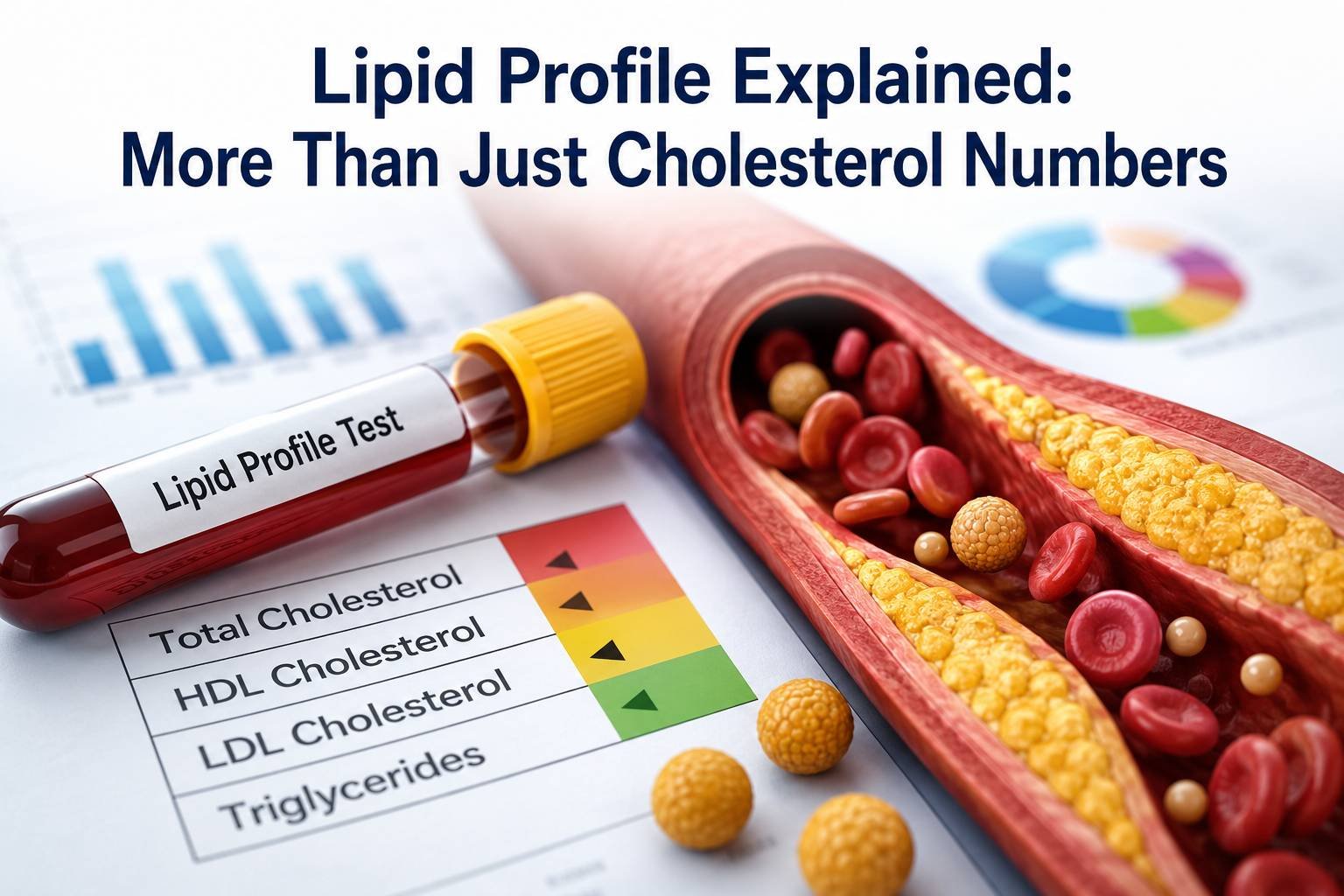
A full body test in delhi may include a lipid profile alongside other assessments that evaluate your overall health. A typical lipid profile typically includes total cholesterol, LDL cholesterol, HDL cholesterol and triglycerides.
The measurements offer varying information. It is better to look at the entire pattern rather than at a single number since the risk of cardiovascular disease is based on several factors, such as blood pressure, diabetes, smoking, family history, and age.
Total cholesterol is the amount of cholesterol in your blood. Cholesterol in itself is not necessarily bad. Your body requires it to develop cells, to produce some hormones and other necessary functions.
Nonetheless, excess cholesterol in the blood may lead to the development of plaque within the arteries. Your medical practitioner will take into account the total cholesterol and LDL, HDL, triglycerides and other individual risk factors.
Cholesterol is transported by Low-density lipoprotein, or LDL. In the case of high LDL, cholesterol may build up on the walls of the arteries and lead to the formation of plaque.
An elevated LDL level can be detected by a full body test delhi ncr as a part of a general health check. Based on your general cardiovascular risk, your health care provider can suggest dietary modifications, physical activity, medication, or further monitoring.
High-density lipoprotein, also known as HDL, is also known as good cholesterol. It assists in carrying cholesterol out of the blood to the liver where it can be eliminated.
Nevertheless, HDL cannot be considered alone. A better HDL level does not necessarily mean that one is free of cardiovascular risk. Physicians take into account the whole lipid profile along with other health factors.
Another form of fat present in the blood is triglycerides. Excess calories are stored in your body in the form of triglycerides and may be used at a later time as energy.
Excessive levels of triglycerides can be linked to obesity, diabetes, alcoholism, some drugs, and other health issues. Very high levels may also pose a risk of acute pancreatitis and proper medical assessment is significant.
A number of lifestyle and health factors can affect the level of lipids. Unhealthy lipid patterns can be caused by high saturated and trans fat diets, lack of exercise, overweight, smoking, and alcoholism.
Genetics also play an important role. Some people inherit conditions that cause unusually high cholesterol despite maintaining healthy habits. Knowledge of these influences can assist healthcare professionals to make more suitable recommendations.
A full body test in delhi ncr may provide an opportunity to evaluate cholesterol and triglycerides together with blood sugar, liver function, kidney health, blood counts, and other important markers.
Frequent testing may assist in determining the changes over time as opposed to a single outcome. Depending on your age, health history, medications, and cardiovascular risk, your healthcare provider can decide the frequency of appropriate testing.
A lipid profile is useful as it gives quantifiable data on cardiovascular risk, however the results must not be taken out of context. Your health practitioner might take into account your blood pressure, blood sugar, family history, lifestyle, current medical conditions, and so on.
When a combination of multiple tests is conducted, a full body test delhi can give a more comprehensive picture of these health markers. This broader view can render preventive healthcare more significant.
Proper lifestyle habits can help maintain healthy cholesterol and triglycerides. Consuming more vegetables, fruits, whole grains, legumes, and other foods rich in nutrients can help in cardiovascular health.
Healthier lipid levels can also be promoted by regular physical activity, healthy weight, avoiding tobacco, sufficient sleep and limiting excessive alcohol intake. Nevertheless, medication might be necessary for some individuals since lifestyle changes are not always enough.
In case your lipid profile reveals abnormally high LDL, triglycerides, or total cholesterol, consult a qualified medical professional. Medical advice may also be necessary in case you have a strong family history of heart disease or cholesterol disorders.
A full body test delhi ncr may be effective in cases where an individual needs a wider examination, but the right tests and frequency should always be based on the health requirements.
A lipid profile is much more than a cholesterol test. It gives details on LDL, HDL, triglycerides and total cholesterol and assists health practitioners to appreciate key issues regarding cardiovascular health. Instead of paying attention to a single number, look at the big picture and talk to a professional about your findings. Consistent testing, lifestyle choices, and prompt medical advice can assist you in making informed choices that contribute to improved heart health.